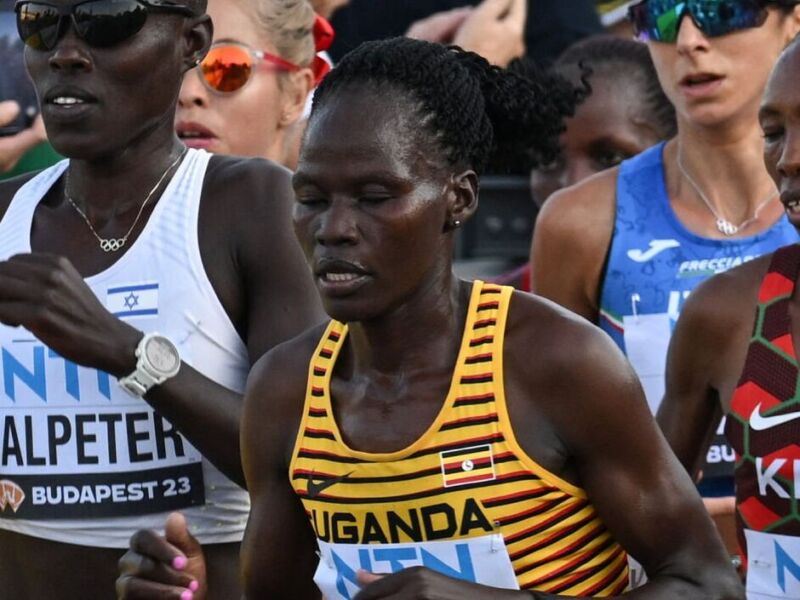
Uganda’s strongest global sporting image has been shaped by distance running. Track races, cross-country events, road running and the marathon reward preparation that is often invisible to casual viewers: years of mileage, careful recovery, technical work and the ability to remain patient when the pace becomes uncomfortable. That makes athletics a powerful example of how long-term development can create international success.
A discipline built on patience
The discussion around best betting sites in uganda can become more informed when it sits beside the discipline of elite athletics. A runner’s performance is not just a number on a results page. It reflects terrain, race tactics, training cycles, weather, travel and how the athlete judges the final kilometres. Seeing those layers makes the sport more compelling than a simple prediction.
Distance running has given Uganda a sporting language that is recognised far beyond the country. The achievements of Joshua Cheptegei, Jacob Kiplimo and Peruth Chemutai show different routes to international success, yet all underline the value of patient preparation. The people involved are athletes, training partners, coaches, physiotherapists, families, schoolteachers and community organisers. In that setting, details such as pace changes, positioning, terrain, weather, fuelling, recovery and the difference between an early surge and a sustainable effort are not background noise; they shape the experience and reveal what needs attention. The key is to follow the process as well as the outcome. When people recognise the preparation behind an event, they can distinguish a temporary result from a more durable improvement. That makes conversation around sport calmer, more accurate and more respectful of the work that participants have put in. This early work is easy to miss, yet it often determines whether the event feels calm, accessible and worth repeating for a first-time visitor as well as for a committed participant.
Role models with real impact
Ugandan runners such as Joshua Cheptegei, Jacob Kiplimo, Peruth Chemutai and Stephen Kiprotich have helped give the country a lasting presence on the global stage. Their achievements have made athletics visible to children who may first encounter the sport through a school race or a local training group. The most important effect is not only medals; it is the idea that disciplined work can carry an athlete far beyond the starting line.
Distance running also brings together different landscapes and communities. Cross-country courses, track facilities and road events create opportunities for athletes to progress through several levels of competition. Coaches play a central role by teaching runners how to develop gradually rather than treating every session as a test of toughness.
Endurance is not only about running hard. It asks athletes to understand pace, recover well, listen to coaching and make disciplined decisions when training feels routine rather than glamorous. Behind that visible activity sits a system: patient coaching, safe training routes, medical guidance, anti-doping education, travel support and competition opportunities suited to an athlete’s stage of development. These elements may seem administrative, but they decide whether preparation is calm or rushed and whether a sporting space feels open to the people it is meant to serve. That kind of structure rarely attracts headlines, yet it has a direct effect on the quality of performance. Consistency lets coaches plan, gives players confidence and makes it easier for families and supporters to stay connected to the calendar. The practical test is whether people can understand what is expected of them, prepare in good time and focus on the sporting task rather than on avoidable uncertainty.
How to watch a distance race well
A good way to follow a race is to pay attention to pace changes, positioning and patience. The leader at the halfway mark is not always the athlete with the best chance of winning. In the final laps or final kilometres, small decisions about when to cover a move, conserve energy or begin a sprint can change everything.
That uncertainty is part of athletics’ appeal. It also makes restraint important for anyone attaching money to a result. A personal limit and a clear understanding that no athlete is guaranteed to win are basic safeguards. The greater story is Uganda’s ability to produce runners whose consistency, courage and competitive intelligence make a mark well beyond one event.
A race becomes easier to appreciate when the viewer follows its changing demands. Early positioning, a move on a hill, a response to a surge or the decision to wait for the final lap can all be more important than a single split time. A closer observer can use pace changes, positioning, terrain, weather, fuelling, recovery and the difference between an early surge and a sustainable effort as a guide, then compare what was planned with what unfolded. The same final result can have several causes, so it helps to watch where pressure appeared, who adapted and which small decision changed the balance. Over time, this style of attention improves the questions people ask. Instead of demanding an instant answer, it invites them to compare moments, look for evidence and respect the uncertainty that makes sport compelling. Keeping a short record of these details from one event to the next is often enough to reveal a pattern that a single score, clip or headline would hide.
The next generation of runners
Uganda’s distance-running success can be sustained only if young athletes receive responsible support. Training should be tailored to age and experience, with enough recovery and education around nutrition, injury prevention and mental wellbeing. Early talent is valuable, but a career lasts longer when growth is gradual and the athlete is treated as a whole person.
A good local race can be the first step in that process. It teaches an athlete how to prepare, respond to a difficult moment and respect competitors. Those lessons are as important as a fast time, because they help turn potential into a long-term sporting habit rather than a brief burst of promise.
The next generation needs more than inspiration from famous names. Young runners benefit from safe routes, qualified guidance, sensible competition schedules and adults who understand that growth, schooling and health must stay connected. This is where young runners who need time to build technique, strength and confidence before being judged by senior results becomes important. Development works best when expectations are clear and the next opportunity is earned through learning, not through pressure to look finished too early. The most useful measure is not a single breakthrough. It is whether people continue to improve, remain healthy and have another appropriate step available once they are ready for it. That is particularly important for young participants, who need feedback that explains what to practise next instead of a verdict that labels them too early.
A legacy of disciplined work
Distance running gives Uganda a distinctive place in world sport because its leading athletes have shown how preparation can travel across borders. The best tribute to that legacy is to keep making room for young runners to train safely, compete regularly and discover their own relationship with the sport.
A strong running culture also carries responsibilities. Accurate information about training, nutrition and anti-doping rules protects athletes from shortcuts and helps ensure that a promising result is built on work that can last. The lasting standard is straightforward: endurance success should be measured by healthy long-term careers as well as medals and fast times. That principle helps supporters, organisers and athletes decide which parts of the experience deserve investment and which habits should be changed. This perspective protects the things that make local sport sustainable: relationships, trust, safe participation and the confidence to return next week even after disappointment. It gives everyone involved a useful decision rule: choose the action that protects participation, learning and respect after the noise of a single result has faded.
A longer view of the subject
A longer view changes the way this subject is understood. Progress is rarely a straight line, and the next meaningful sign may be a safer venue, a stronger youth group, better communication or a player learning from a difficult day. Those details are easy to overlook beside a final score, yet they are the foundation on which more memorable moments are built. Following them makes sport feel connected to everyday life rather than separate from it. For Uganda’s distance-running tradition, that is the practical meaning of sustained support.
One final point is that Uganda’s distance-running tradition depends on continuity. When athletes, training partners, coaches, physiotherapists, families, schoolteachers and community organisers can rely on patient coaching, safe training routes, medical guidance, anti-doping education, travel support and competition opportunities suited to an athlete’s stage of development, the next season or event begins from a stronger place. That continuity makes it easier to protect young runners who need time to build technique, strength and confidence before being judged by senior results and to keep the standard clear: endurance success should be measured by healthy long-term careers as well as medals and fast times
That is also why small improvements should be recorded. Better information, calmer preparation and stronger links between local participants all make Uganda’s distance-running tradition more useful to the people who will encounter it next.